
The Portland Alliance: Turning of the Imperialist Screw

In a compelling probe into the depths of societal control mechanisms, local police reform activist and author Kristian Williams invites us to look through the lens of torture and domination in his thought-provoking book, American Methods: Torture and the Logic of Domination. Unveiling the intimate relationship between imperialism and the acceptance of torture in both foreign and domestic territories, Williams opens a dialogue about a pervasive issue with roots deep in historical practices of control. Dave Mazza of The Portland Alliance recently sat down with Kristian Williams to delve into this evocative topic.
Historical Foundations of Domination
Williams draws parallels between the institution of policing and the legacy of slavery, suggesting that the origins of modern law enforcement and penal systems are intertwined with societal control, rather than crime prevention. He asserts that just as slavery shaped policing, it has also inescapably influenced the contemporary acceptance of torture in the carceral system, emphasizing that the foundations of such practices go beyond the nation's history with slavery to include the broader, complex impact of U.S. imperialism.
Linking Domestic Policy and International Territories
The book's examination of Guantanamo Bay serves as a case study in how imperialism enables and justifies zones of legal ambiguity that foster the use of torture. Williams describes how Guantanamo's status as a lawless limbo was specifically exploited to create an extralegal detention camp, revealing a disturbing continuity between the seemingly separate realms of international military action and domestic incarceration practices.
The Cycle of Violence: From Military to Police to Prison
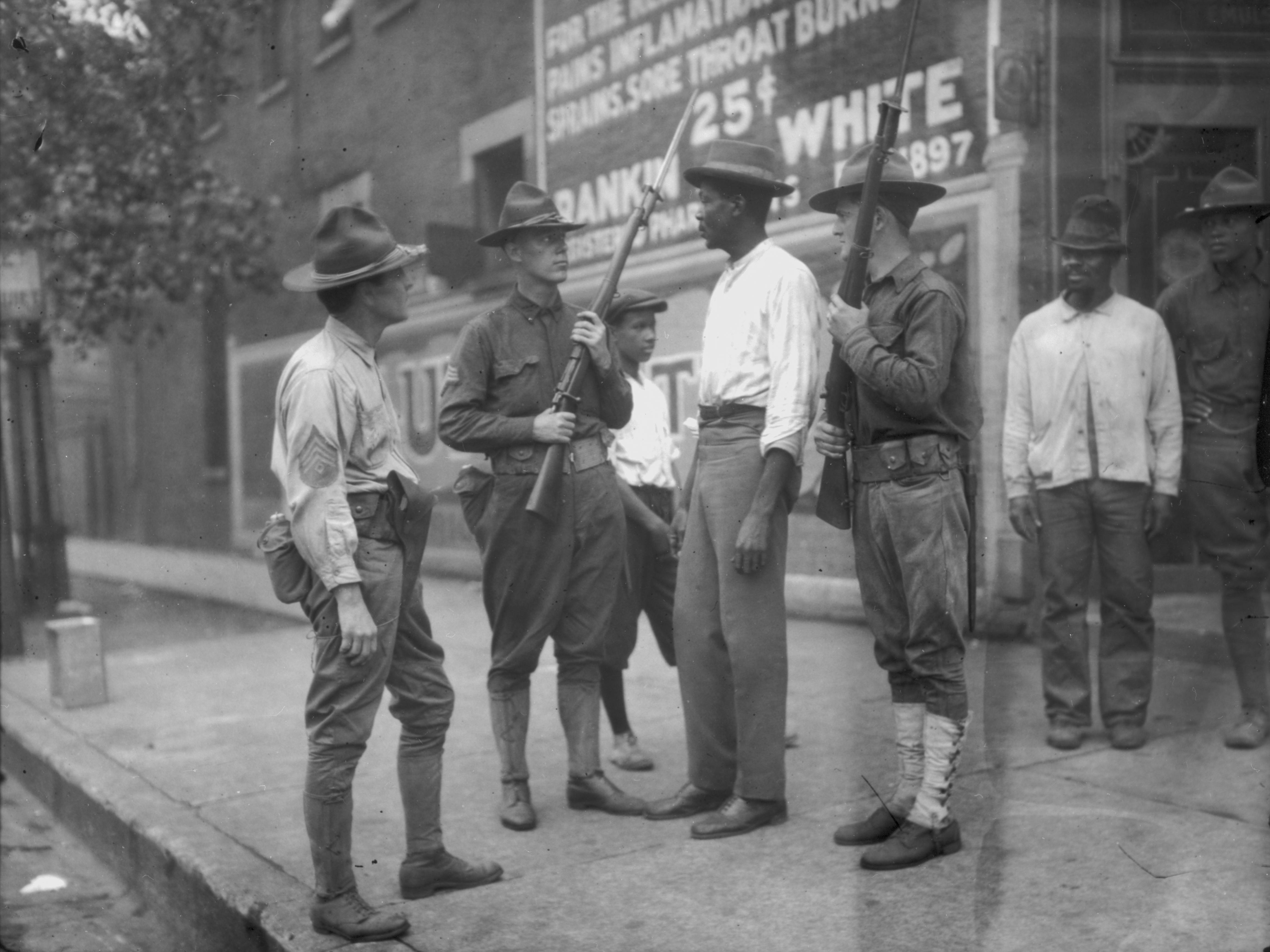
Williams discusses the cyclical nature of institutional violence, illustrating how military tactics trickle down to influence policing and, ultimately, how they shape practices within prisons. The blur between these institutions becomes alarmingly evident in the internalization and mimicry of brutal tactics, forming a circuit of violence that perpetuates itself.
The Sexual Dimension of Domination and Torture
Further delving into the nature of torture, Williams touches upon the use of sexual violence as a means of asserting control and establishing dominance. This disturbing aspect of abuse, appearing consistently across multiple contexts, speaks to broader societal dynamics of power and the troubling ways in which gender and sexuality are weaponized to subjugate individuals.
Psychological Perspectives on Obedience and Authority
Reflecting on studies such as Milgram's obedience experiment and the Stanford Prison Experiment, Williams addresses the uncomfortable truth about the human propensity for cruelty under the guise of authority, providing psychological underpinnings for the complex motivations that normalize torture in systems of power.
A Call for Systemic Change
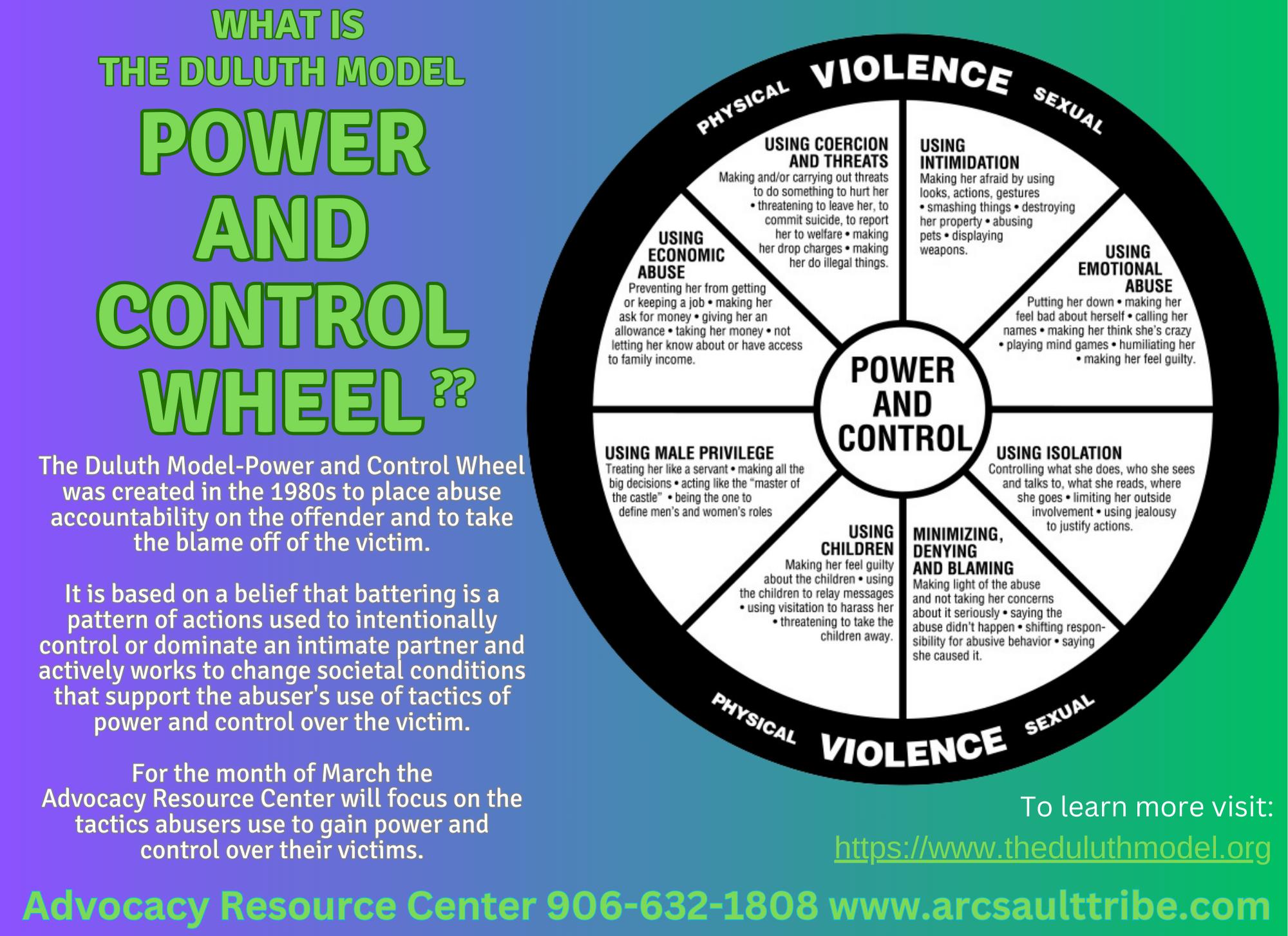
Confronting the harsh realities brought to light in his research, Williams expresses the urgent need for deep and structural change if society is to transcend the entrenched practices of domination by torture. He advocates for a radical rethinking of institutions including the police, prisons, and military policies, as well as addressing systemic inequalities like racism, capitalism, and gender biases.
Pushing for Equality and an End to Torture
Williams concludes with a powerful message about the necessity of dismantling the existing structures of power and moving society towards greater equity to truly eliminate the scourge of torture. His message resonates with hope for a future unmarred by these methods of domination—an echo of the need for transformation at both a national and global level.
As readers contemplate the intricacies of Williams' work and the gravity of its implications, they may also connect it to the world around them, even when undertaking the most mundane activities such as travel. The hotels we dwell in temporarily, the cities we amble through on our getaways, all exist within the fabric of the society that Williams critiques—a society where the invisible threads of history, power, and control are woven into every aspect. As we engage with different spaces in our journey, we inadvertently partake in the same systems that shape our understanding of power relations across the globe. Travel, in this light, becomes more than mere leisure; it's an opportunity to observe, question, and, perhaps, reimagine how we might foster a world that wholly rejects the use of torture and embodies true justice and equality.
Portland
- Ritz Carlton Portland
- Nordic Motel In Portland Oregon
- Kasa Portland
- Dossier Hotel
- Madison Suites
- Econo Lodge Portland Airport
- Park Lane Suite
- Portland Value Inn
- Rodeway Inn & Suites Portland Or
- Comfort Inn Portland
- Oxford Suites Jantzen Beach Portland Oregon
- Courtyard By Marriott Downtown Convention Center Portland
- Hotel Modera Portland Oregon
- Briarwood Suites Portland Oregon
- Howard Johnson Portland Oregon Airport
- University Place And Conference Center Portland Oregon
- Red Lion On The River Portland Or
- The Nines Review
- Residence Inn Pearl District Oregon
- Hyatt Cascade Station Portland
- Portland Duniway
- River'S Edge Hotel & Spa
- Hilton Executive Tower Portland Or
- The Palms Hotel Portland
- Portland Marriott Downtown Waterfront Southwest Naito Parkway Portland Or
- Motel 6 Portland Powell Blvd
- Kimpton Hotel Monaco Portland Portland Or 97204
- The Society Hotel In Portland
- Shilo Inn Portland Or Airport
- 1710 Ne Multnomah St
- Ramada Inn Portland Oregon
- Hampton Inn And Suites Portland Pearl
- Heathman Pdx
- Hotel Vintage Portland Or
- Ramada Inn Portland Oregon Airport
- Portland Airport Holiday Inn
- Best Western Pony Soldier Inn Portland Oregon
- Radisson Portland Oregon Airport
- Doubletree By Hilton Portland Portland Or
- Portland Hotel Rose
- Hilton Garden Inn Portland Airport Portland Or
- Hi-Lo Hotel Autograph Collection Portland
- Red Lion Portland Or Airport
- Marriott Courtyard Portland City Center
- Portland Lucia Hotel
- Benson Portland Hotel
- Club Wyndham Portland Waterfront Park
- Ac Portland Hotel Downtown
- Best Western Portland
- Sheraton Inn Portland Airport
- Bed And Breakfast Portland Oregon
- Hotels Near Moda Center Portland
- Portland Hotels Near Zoo